

As key equipment in the textile industry, hosiery machines play a vital role in ensuring production efficiency and product quality. However, due to long-term, high-intensity operation, complex mechanical structures, and the influence of external environmental factors, hosiery machines are prone to various problems and failures.
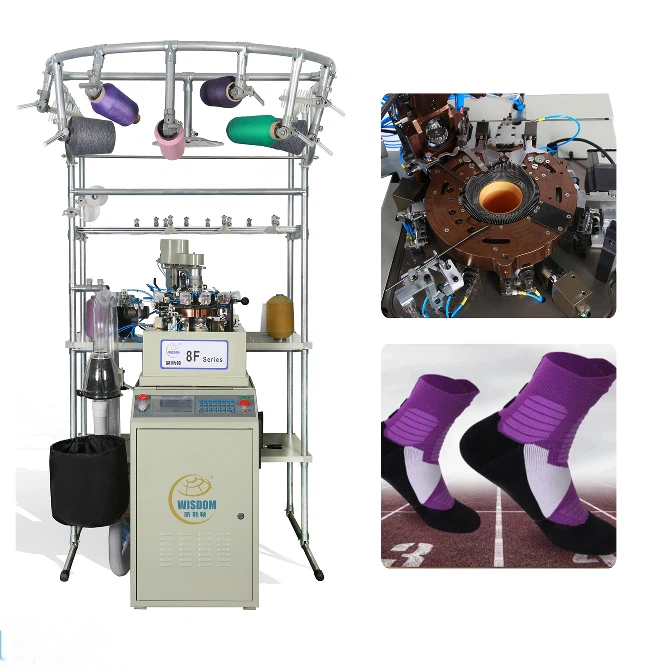
Common Mechanical Structure Problems

Mechanical structures are fundamental to the proper functioning of hosiery machines, and failures often directly impact the overall operation of the machine. One of the most common problems is wear and tear of transmission components. The transmission system of a hosiery machine, including needles and belts, constantly engages and rubs during operation. Over time, these components wear, leading to increased play, unstable transmission, and even abnormal noise. Worn gear teeth can cause inaccurate transmission ratios, which in turn leads to errors in the knitting process and affects the size and shape of the socks.
Another common mechanical problem is loose fasteners. Hosiery machines inevitably vibrate during operation, and over time, bolts, nuts, and other fasteners can loosen. If not promptly identified and tightened, these problems can cause parts to shift or even fall out, leading to more serious failures. Loose bolts securing the needle bed can lead to unstable operation, affecting needle accuracy, and causing defects such as missed stitches.
Stuck moving parts are also a common mechanical problem. This is often caused by dust, fiber debris, or deteriorating lubricating oil. When moving parts such as the needle selector and yarn guide become stuck, the movement of the hosiery machine is hindered, and in severe cases, the machine can even shut down. If a large amount of fiber debris accumulates in the needle selector, it will have difficulty moving flexibly, resulting in inaccurate needle selection and poor pattern quality.
To address these mechanical issues, regular inspection and maintenance of the machine is crucial. Transmission components should be lubricated regularly to reduce wear. Needles and belts should be regularly inspected for wear and worn parts replaced promptly. Fasteners should be tightened regularly, especially those subject to excessive vibration. Moving parts should be cleaned regularly to remove dust and fiber debris, and lubricants should be replaced regularly to ensure smooth movement.
Common Electrical System Faults
The electrical system is the control center of the sock machine, and its faults will lead to the abnormal operation of the machine. One of the common electrical faults is the failure of sensors. Sensors in the sock machine, such as position sensors and speed sensors, are responsible for collecting various operating parameters of the machine. If the sensor fails, the control system will not be able to obtain accurate information, resulting in incorrect control of the machine.If the position sensor of the knitting needle fails, the control system cannot accurately control the movement position of the knitting needle, leading to problems such as needle collision.
Control panel damage is also a common electrical fault. The control board is the core of the electrical control system, and it is prone to damage due to factors such as voltage fluctuations, high temperature, and humidity. Once the control board is damaged, the sock machine may stop working completely or have abnormal functions. If the control board's output circuit is damaged, the execution components such as the motor and solenoid valve cannot work normally, affecting the entire knitting process.
The failure of the motor is also a common electrical fault. The motor provides power for the operation of the sock machine. Due to long-term operation, the motor may have problems such as overheating, insulation aging, and bearing wear, resulting in reduced motor performance or even burnout. If the motor bearing is worn, the motor will generate abnormal noise during operation, and the speed will be unstable, affecting the normal operation of the sock machine.
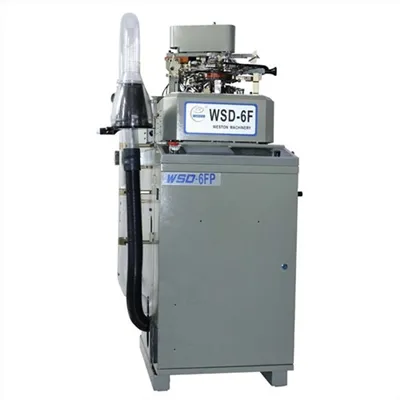
To deal with electrical system faults, it is necessary to strengthen the inspection and maintenance of electrical components. For sensors, regular calibration and cleaning should be carried out to ensure their accuracy and sensitivity. If a sensor is found to be faulty, it should be replaced in time. For the control board, attention should be paid to the working environment, avoiding high temperature, humidity, and voltage fluctuations. Regular inspection of the control board's components, capacitors and resistors, should be done, and damaged components should be replaced. For the motor, regular maintenance should be carried out, including cleaning the motor surface, checking the bearing wear, and replacing the lubricating oil. At the same time, the motor's operating current and temperature should be monitored to prevent overheating and burnout.
Common Problems in Material Supply System
The material supply system of the sock machine, mainly including the yarn supply device and the tension control device, is crucial to ensuring the quality of the socks. Common problems in the material supply system include yarn breakage and unstable yarn tension. Yarn breakage is a frequent problem, which may be caused by factors such as poor yarn quality, excessive yarn tension, and wear of the yarn guide. If the yarn has knots or thick and thin places, it is easy to break during the knitting process. Excessive yarn tension will also increase the load on the yarn, leading to breakage.
Unstable yarn tension is another common problem in the material supply system. If the yarn tension is too large, it will cause the yarn to stretch excessively, affecting the elasticity and dimensional stability of the socks; if the tension is too small, it will lead to loose knitting and uneven density of the socks. The main reasons for unstable yarn tension include the failure of the tension control device, the wear of the yarn guide roller, and the uneven winding of the yarn on the bobbin.
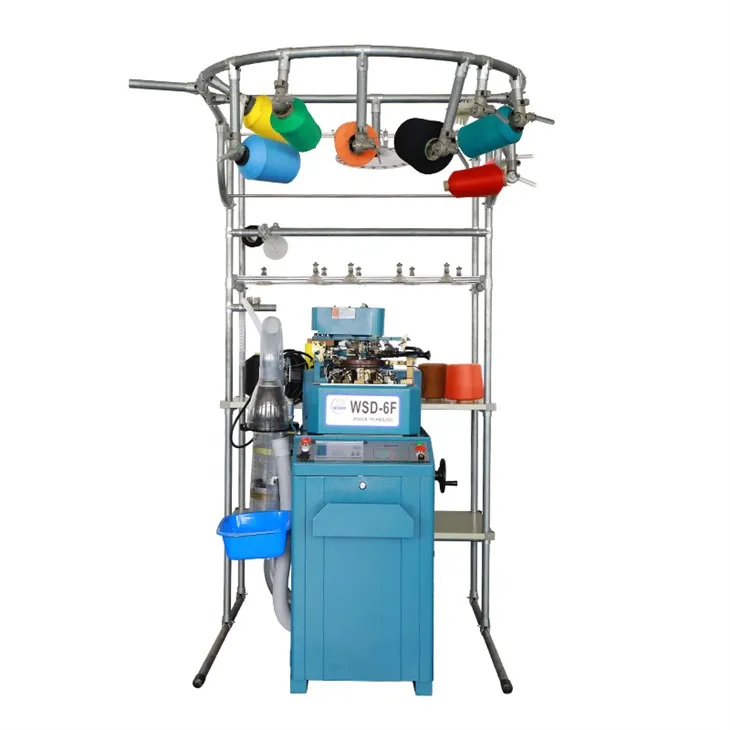
To solve the problems in the material supply system, measures should be taken from the aspects of yarn selection, equipment adjustment, and maintenance. The first step is to select high-quality yarn and inspect it before use to remove any knots or uneven yarn thickness. Next, the tension control device should be regularly adjusted and calibrated to ensure the yarn tension is within a reasonable range. The yarn guide and guide roller should be regularly inspected for wear and worn parts should be replaced promptly.



Preventive Maintenance Measures
In addition to dealing with existing problems and faults, preventive maintenance is an important means to reduce the failure rate of sock machines and ensure their normal operation. Companies should develop a comprehensive maintenance plan, including daily, weekly, monthly, and annual maintenance. Daily maintenance primarily includes cleaning the machine surface, checking the lubricant level, and observing machine operation. Weekly maintenance includes checking the tightness of fasteners, cleaning sensors, and inspecting the yarn supply system. Monthly maintenance includes replacing lubricants, inspecting drive component wear, and calibrating electrical control systems. Annual maintenance includes a comprehensive overhaul of the machine, replacement of severely worn parts, and performance testing.
Training operators to improve their operating skills and maintenance awareness is also key. Operators should master the correct operation of the hosiery machine and be able to promptly detect and resolve simple faults. They should closely monitor the machine's operating status and promptly report any abnormalities to maintenance personnel.
The hosiery machine's operating environment should also be carefully considered. The working environment should be clean, dry, and well-ventilated, avoiding dust, humidity, and high temperatures. The machine's power supply should be stable to prevent voltage fluctuations that could damage electrical components.
The common problems and faults in sock machine maintenance involve mechanical structure, electrical system, and material supply system. By strengthening daily inspection and maintenance, formulating scientific maintenance plans, and improving the quality of operators, the failure rate of sock machines can be effectively reduced, the service life of the machines can be prolonged, and the production efficiency and product quality can be guaranteed.


